
female voice-over
Why do so many brands choose a female voice-over? A female voice provides warmth, trust, and a natural sound.
Does it still make sense to become a voice-over now that AI voices are getting better and better?
Good question. And one I get often.
My answer? Yes. Absolutely.
But the profession is changing. And you have to take that seriously. I’ve been working as a professional voice-over since 2005 and have seen my share of technological changes. The rise of AI is perhaps the most radical one.
An AI voice-over is an artificially generated voice that converts written text into spoken audio. Thanks to artificial intelligence, these voices are sounding increasingly natural.
For telephone systems, simple instructional videos, and e-learnings with a limited budget, a synthetic voice can be a great solution.
But sounding natural is different from communicating naturally.
A professional voice-over does much more than just record a text.
Emotion & nuance
A small silence, a smile in your voice, or just a slightly different emphasis can completely change a message. It’s not just about what you say, but especially about how you say it.
Creative collaboration
Directors want to play, try, and adjust. A human voice-over interprets, thinks along, improvises, and surprises.
Authenticity & branding
A brand has its own identity. That requires a voice that doesn’t just sound pleasant, but also understands what the brand wants to project.
Experience & specialization
Timing, text interpretation, dialects, character voices, and switching between different tones of voice. These are skills you keep developing. Even after more than twenty years, I’m still learning.
Part of the low-budget work is shifting to artificial voices. This makes the entry-level market more difficult and changes client expectations.
Just having a nice voice isn’t enough. Maybe it never was, for that matter.
You need to be able to act, interpret, collaborate, and deliver high-quality technical audio.
With voice cloning, a digital copy of your voice can be made. Interesting technology, but it also raises important questions about consent, ownership, and usage rights.
I have personally chosen not to have my voice cloned.
My voice remains mine. Human, unique, and temporary. I don’t want my voice wandering around digitally somewhere for all eternity.
Want to become a professional voice-over? Then make sure you offer more than just a voice.
Develop your own style and identity.
Keep investing in your acting and vocal techniques.
Become a creative partner for your client.
Invest in a professional studio.
Ensure quality, flexibility, and personal contact.
Make your humanity your strength.
For commercials, storytelling, brand films, and other productions where emotion, identity, and persuasiveness are central, a professional human voice can make a real difference.
A voice that understands what you want to tell. That senses what a text needs. That doesn’t just execute, but also thinks along.
Certainly. Not because AI will just blow over, but because human creativity, interpretation, and collaboration remain valuable.
I even believe that the rise of AI can create a counter-movement. A greater need for authenticity, personality, and real human contact.
Because ultimately, people want to connect with… people.
Want to know how to become a professional voice-over? Then read my tips on becoming a voice-over.
And are you looking for an authentic Dutch voice-over who really thinks along with you? Listen to my demos or contact me.
100% human. 0% AI.
Bye-bye,
Barbara
Share this post:
Why do so many brands choose a female voice-over? A female voice provides warmth, trust, and a natural sound.
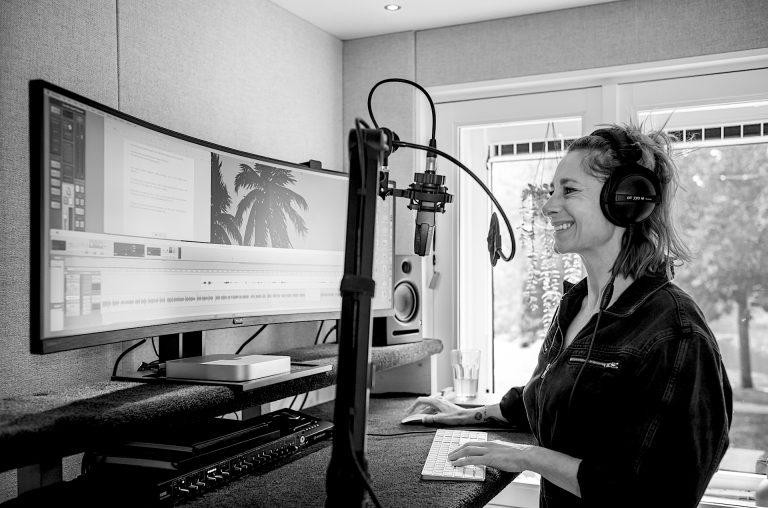
Want to become a voice-over artist? Discover how to start as a voice actor in 6 steps. From practicing and creating a demo to setting up your own studio and landing your first jobs.
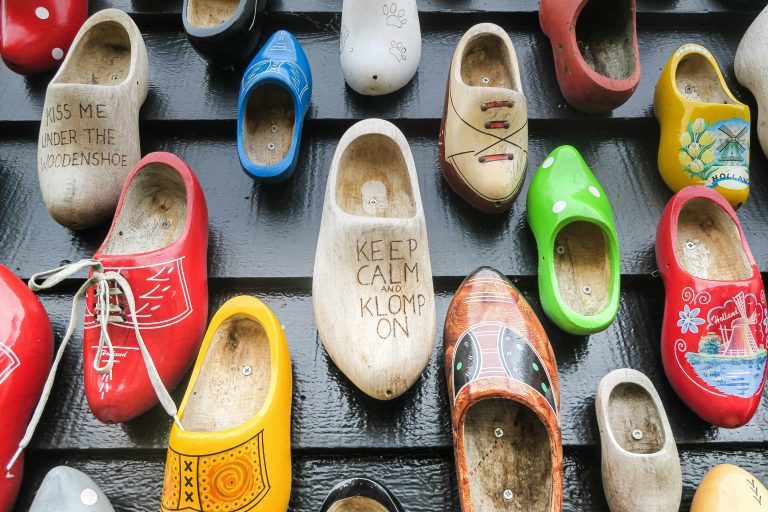
An authentic Dutch voice-over makes all the difference. Read how natural speech, emotion, and script interpretation strengthen your message.